ReEnergise delivered all phases of this project from concept and feasibility right through to maintenance management, resulting in the transition of the Worth School and Abbey estate away from ageing oil-fired heating to a campus-wide biomass district heat network.
The completed project replaced 35 oil boilers across 24 buildings with a new centralised low-carbon energy centre, reducing operating costs at the same time as saving approximately 940 tonnes of CO₂e carbon emissions every year, and future-proofing the estate.
Background
The extensive Worth School and Abbey estate was supplied with heat and hot water by ageing, distributed oil-fired boilers that were becoming increasingly inefficient, expensive to maintain and incompatible with their long-term sustainability ambitions.
The solution
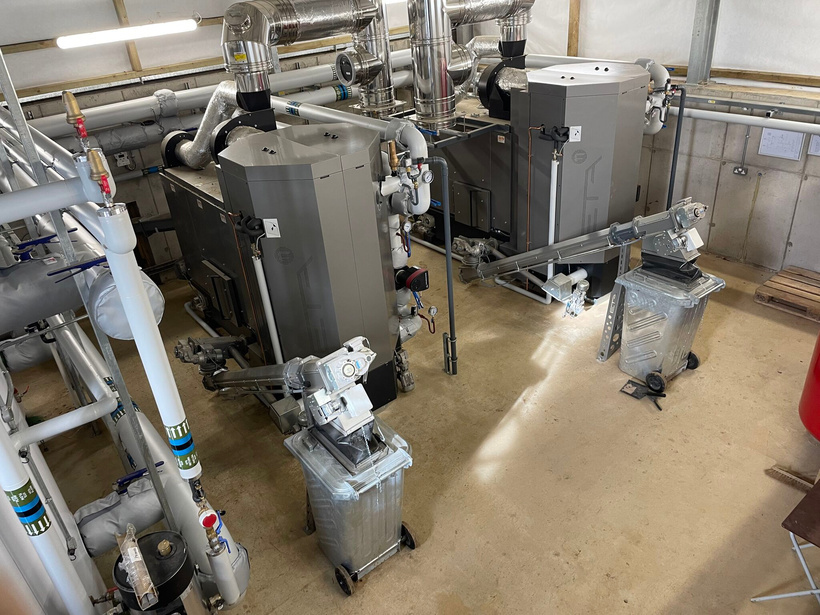
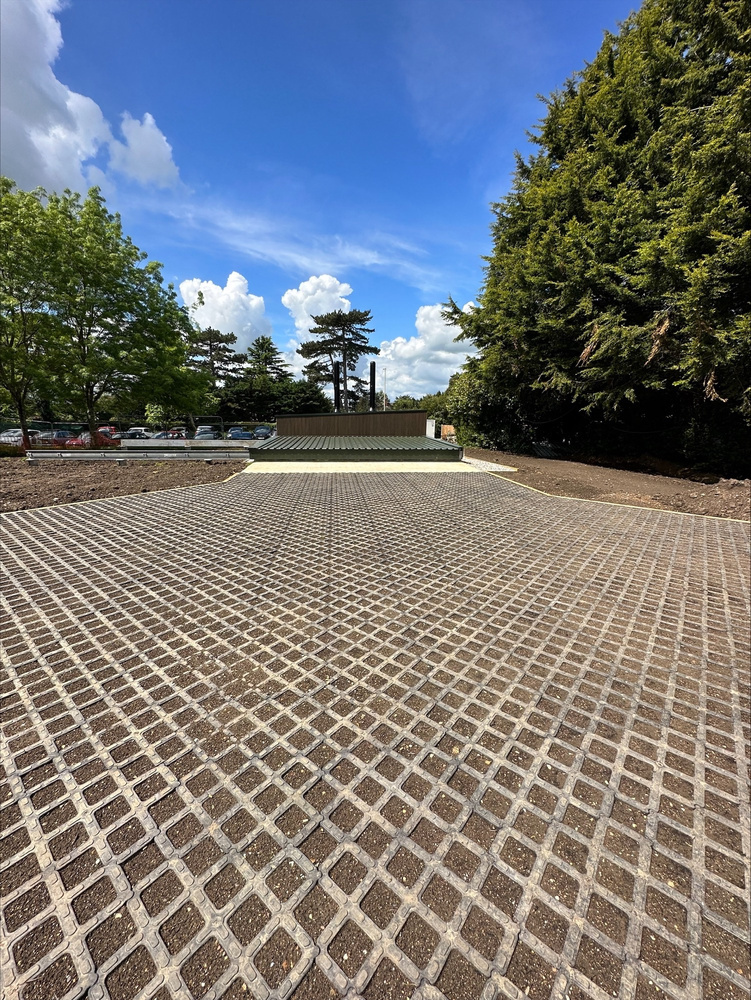
ReEnergise conducted a detailed estate decarbonisation study and business case assessment and proposed two 800kW biomass boilers in a new build energy centre, backed-up by a new LPG boiler. This was to supply a 1.7km district heat network serving the whole estate, including capacity and connection points for future buildings. With a potential life of 50 to 100 years the heat network would facilitate future generations of centralised biomass boilers.
Biomass produces hot water at the same temperature as the old oil boilers, so there was no need for changes to the internal heat distribution systems (radiators, pipework and hot water tanks). Indeed, the improved performance of the biomass over the oil boilers meant that problems where areas were previously inadequately heated were resolved.
ReEnergise progressed the project following its step-by-step risk reduction process through design, tender, project management and finally optimization and maintenance management.
ReEnergise also secured ongoing funding for the operation of the system through the Government’s Renewable Heat Incentive (RHI) scheme, tendered for biomass fuel supply and provided a bespoke LoRaWAN monitoring system for every building, to ensure optimum performance.
The challenge
Delivering a buried district heating network across a live school and abbey estate presented significant logistical challenges. The 1.7km heat network crossed public roads, play areas, church and residential property grounds and was installed while the day-to-day operations of the estate continued.
The programme also had to be completed within demanding timescales despite COVID disruptions to meet the RHI deadlines.


Implementation
- Estate decarbonisation planning.
- Business case development.
- Tender management including future term maintenance and biomass supply.
- Full project management.
- Weekly stakeholder communications.
- Rolling three-week construction programme.
- Coordination across school operations.
- Programme completed within one year.
- Close coordination between contractors, school leadership and the Abbey ensured disruption was minimised throughout construction.
- Maintenance management.

Technology
- New build energy centre with walking floor biomass feed system.
- 2 × 800kW biomass boilers.
- 1.6MW biomass energy centre.
- LPG back-up boiler.
- 1.7km district heat network.
- Heat metering and remote monitoring.
- Future-proof network connections.

Results
- 24 buildings connected.
- 35 oil boilers replaced.
- Approximately 940 tonnes CO₂e saved annually.
- Lower fuel and maintenance costs.
- Renewable Heat Incentive successfully accredited.
- Contract variations below 3%.
- Infrastructure prepared for future expansion.
- Heat network designed for a service life exceeding 50 years.